
Exploring Villefranche-sur-Mer Old Town: Cobblestone Streets, Citadel & Hidden Gems
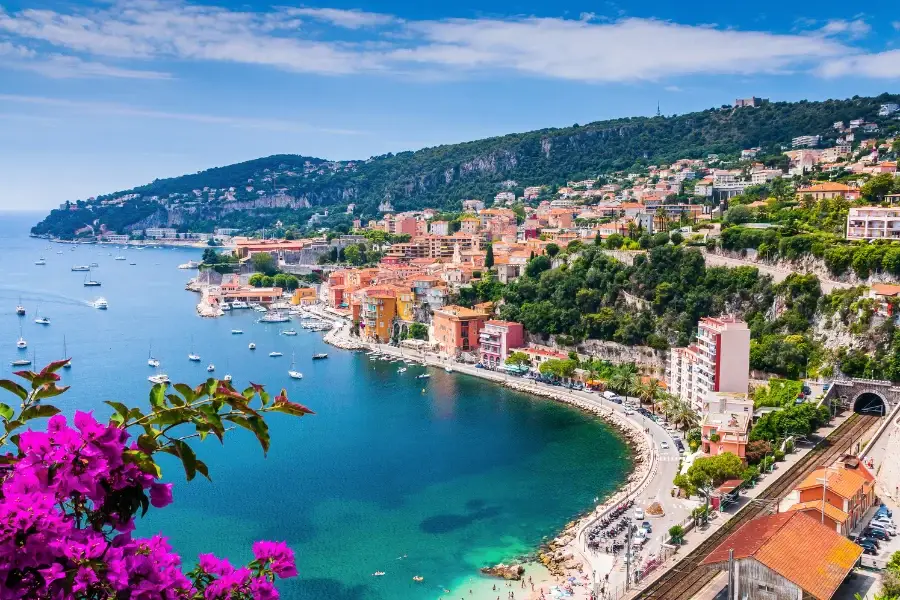
Villefranche-sur-Mer sits on one of the most beautiful natural harbours of the French Riviera. Pastel houses climb the hillside above a deep blue bay, fishing boats bob in the old port, and the medieval old town invites slow wandering through narrow lanes.
Many travellers rush from Nice to Monaco and miss this compact, photogenic town. That is a mistake. Villefranche-sur-Mer rewards anyone who takes time to walk its cobblestone streets, climb to the citadel, slip into the covered Rue Obscure, and pause on the waterfront.
This guide focuses on the old town, the citadel, beaches and the small discoveries that make a visit memorable.
Outline
- Introduction
- Getting to Know Villefranche-sur-Mer
- Exploring the Old Town
- Citadelle Saint-Elme
- Rue Obscure and Other Hidden Gems
- Beaches and Waterfront
- Suggested One-Day Itinerary
- Practical Tips
- FAQs
Getting to Know Villefranche-sur-Mer
Villefranche-sur-Mer lies only a few kilometres east of Nice. The deep bay has sheltered ships for centuries, and the town grew under the protection of the House of Savoy. Today it remains more relaxed than its glamorous neighbours while still offering classic Côte d’Azur scenery.
The historic centre rises steeply from the harbour. Colourful facades, green shutters, flower boxes and laundry lines create the postcard image that draws photographers and film crews. Everything important sits within easy walking distance, although the slopes demand comfortable shoes.
Exploring the Old Town
The best way to experience Villefranche is on foot. Start near the waterfront and let the lanes lead you upward.
Cobblestone Streets and Colourful Houses
Streets such as Rue du Poilu, Rue de l’Église and Rue Baron de Brès wind between ochre, pink and yellow buildings. Balconies overflow with flowers in season. Small squares open suddenly onto views of the bay. The atmosphere feels lived-in rather than purely touristic.
Morning light is especially soft for photographs. Later in the day the lanes fill with people heading to restaurants or the beach, yet the upper streets often stay quieter.
Saint-Michel Church
The yellow bell tower of the Église Saint-Michel rises above the rooftops and serves as a useful landmark. The church itself is worth a short visit for its baroque interior and the sense of place it gives the upper old town.
Chapelle Saint-Pierre
Down by the harbour stands the tiny fishermen’s chapel decorated by Jean Cocteau. Every surface carries his distinctive drawings and colours. The chapel is small, intimate and one of the most charming cultural stops in town. Check current opening times, as they can be limited.
Read also: The Ultimate Guide to Venice’s Canals: Tips for First-Timers
Citadelle Saint-Elme
The 16th-century Citadelle Saint-Elme dominates the western side of the old town. Built under the Duke of Savoy to defend the bay against pirates and rival fleets, it remains one of the most impressive structures on this stretch of coast.
Today the citadel houses the town hall, gardens, temporary exhibitions and several museums (including collections linked to sculpture and modern art). Entry to the grounds is free. Walking the ramparts delivers sweeping views across the harbour, the rooftops and out toward Cap Ferrat.
The open-air theatre (Théâtre de Verdure) sits in a spectacular position overlooking the sea and occasionally hosts performances. Even without an event, the setting alone justifies the climb.
Allow at least 45–60 minutes to explore the walls, gardens and viewpoints at a relaxed pace.
Rue Obscure and Other Hidden Gems
Rue Obscure
One of the most distinctive features of Villefranche is the Rue Obscure — a covered medieval passageway roughly 130 metres long. Originally an open patrol route along the defensive walls, it was gradually built over between the 16th and 18th centuries.
Walking through the cool, stone-lined tunnel feels like stepping out of the sunny Riviera and into another century. It is free, always accessible, and easy to find in the lower old town near the church area. Do not miss it.
Quiet Corners and Viewpoints
Beyond the main lanes, side alleys and staircases reveal laundry lines, potted plants, old doorways and sudden sea views. Climb a little higher for broader panoramas of the bay. Early morning or late afternoon are the best times for peaceful exploration.
Local Life
On certain mornings a small market appears around Jardin François Binon. It is modest compared with larger Provençal markets but offers a pleasant dose of everyday atmosphere — produce, cheese and local products.
Beaches and Waterfront
Plage des Marinières
The main beach stretches in a gentle curve near the train station and the eastern side of town. The shore mixes fine pebbles and some sandier sections. The water is clear and the setting is classic Riviera. It can grow busy in peak summer, yet the scenery remains beautiful.
Plage de la Darse
Closer to the old port and citadel, this quieter spot is more pebbly and rocky. It suits those who prefer fewer crowds and do not mind bringing water shoes. The views back toward the citadel and boats are excellent.
The harbour itself invites a slow stroll past fishing boats, cafés and restaurants. Many visitors combine beach time with a long lunch overlooking the water.
Suggested One-Day Itinerary
Morning Arrive by train from Nice. Walk down to the harbour, then climb into the old town. Explore the colourful streets, visit Saint-Michel Church and walk through Rue Obscure.
Midday Continue to the Citadelle Saint-Elme. Walk the ramparts, enjoy the views and visit any open exhibitions or museums. Have lunch either near the citadel or back down by the port.
Afternoon Spend time on Plage des Marinières or the quieter Plage de la Darse. Alternatively, simply sit at a waterfront café and watch the bay.
Late Afternoon Wander back through the old town for final photographs as the light softens. Return to Nice by train or stay for dinner if you prefer an evening atmosphere.
This flexible plan covers the essential character of Villefranche without rushing.
Practical Tips
- Getting there: Frequent trains run from Nice (about 10–15 minutes). Buses also connect the towns. The station sits close to the main beach and a short walk from the old town.
- Footwear: Cobblestones and slopes make comfortable shoes essential.
- Timing: Spring and early autumn offer pleasant weather and fewer crowds. July and August are livelier and hotter.
- Free experiences: Old town wandering, Rue Obscure, citadel grounds and viewpoints cost nothing.
- Where to stay: The old town and harbour area put you in the heart of the atmosphere. Options range from simple rooms to more polished hotels with sea views.
- Food: Expect classic Mediterranean and Provençal cooking — fresh fish, salads, pizza and local wines. Waterfront restaurants are scenic; side-street places can feel more local.
FAQs
Is Villefranche-sur-Mer worth visiting? Yes. It offers one of the most picturesque harbours and old towns on the Riviera, with less intensity than Nice or Monaco.
How long do you need in Villefranche-sur-Mer? A full day allows you to explore the old town, citadel, Rue Obscure and beach at a comfortable pace. Half a day covers the highlights if time is short.
What is Rue Obscure? A covered medieval street about 130 metres long that once formed part of the town’s defences. It is free to walk through and highly atmospheric.
Is the citadel free? Access to the grounds and ramparts is free. Individual museum spaces may have their own arrangements — check on the day.
Can you swim in Villefranche-sur-Mer? Yes. Plage des Marinières is the main public beach. Plage de la Darse offers a quieter, rockier alternative.
Is Villefranche a good base? It works well for a peaceful stay with easy train access to Nice, Èze and other coastal towns. Many visitors prefer it as a day trip from Nice.