
Self-Guided Hondarribia Walking Map: Historic Streets & Medieval Ramparts
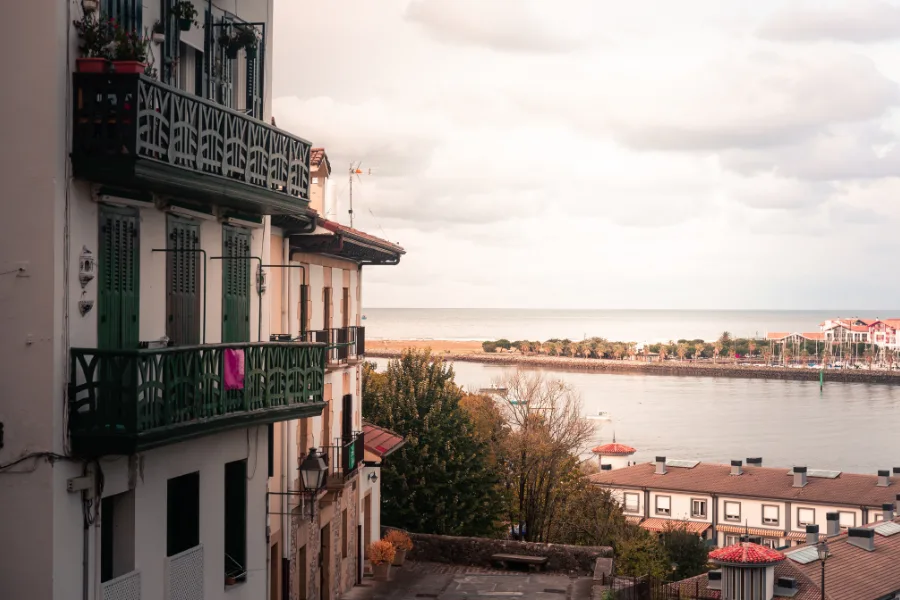
Hondarribia (also known as Fuenterrabía in Spanish) sits on the Basque coast just a short distance from the French border. Its well-preserved medieval old town, complete with thick ramparts, cobbled streets and colourful fishermen’s houses, makes it one of the most rewarding places in Gipuzkoa for a self-guided walk.
This guide gives you a clear, practical Hondarribia walking route focused on the historic centre and medieval walls. You can complete the core circuit in 1.5–2.5 hours at a relaxed pace, with time for photos, viewpoints and a stop for pintxos.
Outline
- Introduction
- Why Walk Hondarribia
- Self-Guided Walking Route Overview
- Starting at the Walls and Gates
- Exploring the Historic Streets
- Plaza de Armas and the Castle
- La Marina Fishermen’s Quarter
- Practical Tips for Your Walk
- Beyond the Old Town
- FAQs
Why Walk Hondarribia
Hondarribia’s old town sits on a hill overlooking the Bay of Txingudi. The street plan still follows the medieval grid, and substantial sections of the defensive walls remain. Walking is the best way to appreciate the scale of the fortifications, the details of the historic houses, and the contrast between the quiet intramural streets and the lively fishermen’s quarter below.
The route is compact, mostly paved, and suitable for most fitness levels, though some streets are steep and cobbled. Comfortable shoes are essential.
Self-Guided Walking Route Overview
Suggested order:
- Approach via the walls and enter through Puerta de Santa María
- Walk up Calle Mayor (Kale Nagusia)
- Visit the Church of Santa María and nearby squares
- Reach Plaza de Armas and the Castle of Carlos V (Parador)
- Explore side streets and remaining wall sections
- Exit toward Puerta de San Nicolás or descend to La Marina
- Stroll the colourful streets of the fishermen’s quarter
You can reverse the order or shorten the route depending on time and energy.
Starting at the Walls and Gates
The Medieval Ramparts
The walls that still enclose much of the old town were strengthened in the late 15th and early 16th centuries. Key surviving elements include the Cubo de Santa María, the Bastion of the Queen (Baluarte de la Reina), the San Nicolás fortifications and the Bastion of Santiago.
A pleasant walk along the exterior or accessible sections of the walls gives a strong sense of the town’s defensive past and offers views over the surrounding area.
Puerta de Santa María
This is the most common and atmospheric entrance into the old town. The stone gate, topped with the town’s coat of arms, marks the transition from the modern approach into the medieval core. A statue of a “hatxero” (historic soldier figure) often greets visitors nearby.
Once through the gate you step directly onto the main historic artery.
Exploring the Historic Streets
Calle Mayor / Kale Nagusia
The principal cobbled street runs uphill from the Santa María Gate. Elegant historic houses line both sides, many featuring wrought-iron balconies, wooden eaves and coats of arms. Notable buildings include the Baroque Town Hall (Casa Consistorial), the Casadevante Palace, the Zuloaga Palace and other aristocratic residences.
Take your time here. The street itself is the highlight — the proportions, the materials and the sense of continuous habitation over centuries.
Side Streets and Squares
Branch off into narrower lanes such as those leading to Plaza del Obispo or Plaza de Gipuzkoa. These quieter corners reveal arcaded buildings, traditional Basque architecture and local shops. The grid layout makes it easy to explore without getting seriously lost; you can always return to Calle Mayor as a reference.
Church of Santa María de la Asunción y del Manzano
Built between the 15th and 16th centuries partly on the line of the old walls, this Gothic church with Renaissance elements is one of the most important monuments inside the old town. Its tower is a useful landmark as you move around the upper streets.
Read also: San Sebastián Itinerary: How to Spend 3 Perfect Days
Plaza de Armas and the Castle
At the top of the main axis you reach Plaza de Armas, the ceremonial heart of the walled town. The square is dominated by the Castle of Carlos V, a solid stone fortress that now operates as the Parador de Hondarribia.
The plaza offers excellent views over the bay and the rooftops. It is also the setting for the traditional Alarde festival in September. Even without an event, the combination of military architecture and open space creates a powerful atmosphere.
From here you can walk sections of the remaining walls or simply enjoy the panorama before descending.
La Marina Fishermen’s Quarter
Leave the walled enclosure (via San Nicolás Gate or other exits) and head downhill to La Marina. This is the oldest and most characterful part of the lower town.
Streets such as San Pedro and Santiago are lined with traditional fishermen’s houses painted in bright colours, with wooden balconies and flower boxes. The atmosphere is lively, especially in the early evening when locals and visitors gather for pintxos and drinks.
La Marina connects easily to the harbour and the main beach area, making it a natural place to end the historic walk or to continue for a seaside stroll.
Practical Tips for Your Walk
- Duration: 1.5–2 hours for the core old town and walls; add extra time for La Marina, photos and food stops.
- Footwear: Sturdy, comfortable shoes with good grip — cobbles can be uneven and slippery when wet.
- Best time: Early morning for quiet streets and soft light, or late afternoon for warmer colours and atmosphere.
- Accessibility: Some streets are steep and stepped. A municipal lift and escalators help connect lower and upper areas in places.
- Maps: The official tourism office provides leaflets on the walled city. Offline maps or a simple screenshot of the old town grid also work well.
- Food: Combine the walk with pintxos in the old town or La Marina. Local specialities include seafood, txangurro (spider crab) preparations and classic Basque bites.
- Parking: Follow signs to public car parks near the old town approaches if arriving by car.
Beyond the Old Town
If you have more time after the walking circuit:
- Hondarribia beach — a wide urban beach popular in summer, good for a swim or seaside walk.
- Higuer Lighthouse (Faro de Higuer) — coastal views and a pleasant extension on foot or by short transport.
- Jaizkibel — the mountain rising behind the town offers hiking trails with panoramic sea and border views.
- Cross-border views — the proximity to France is visible across the bay; some visitors combine the day with a short hop to Hendaye.
These additions turn a focused old-town walk into a fuller Hondarribia itinerary.
FAQs
Is Hondarribia worth visiting? Yes. The combination of well-preserved medieval walls, attractive historic streets and a colourful fishermen’s quarter makes it one of the most appealing small towns on the Basque coast.
How long does the old town walk take? Most people complete the main circuit of walls, Calle Mayor, Plaza de Armas and a descent to La Marina in 1.5–2.5 hours, depending on pace and stops.
Do I need a guided tour? No. The old town is compact and easy to navigate with a simple map or this route description. Guided tours are available if you prefer historical commentary.
What is the best entrance to the old town? Puerta de Santa María is the most common and atmospheric starting point for first-time visitors.
Is Hondarribia good for food? Yes. Both the old town and especially La Marina offer excellent pintxos bars and restaurants serving fresh seafood and Basque specialities.
Can I visit Hondarribia as a day trip? Easily. It works well as a day trip from San Sebastián or as a stop when travelling between Spain and France.