
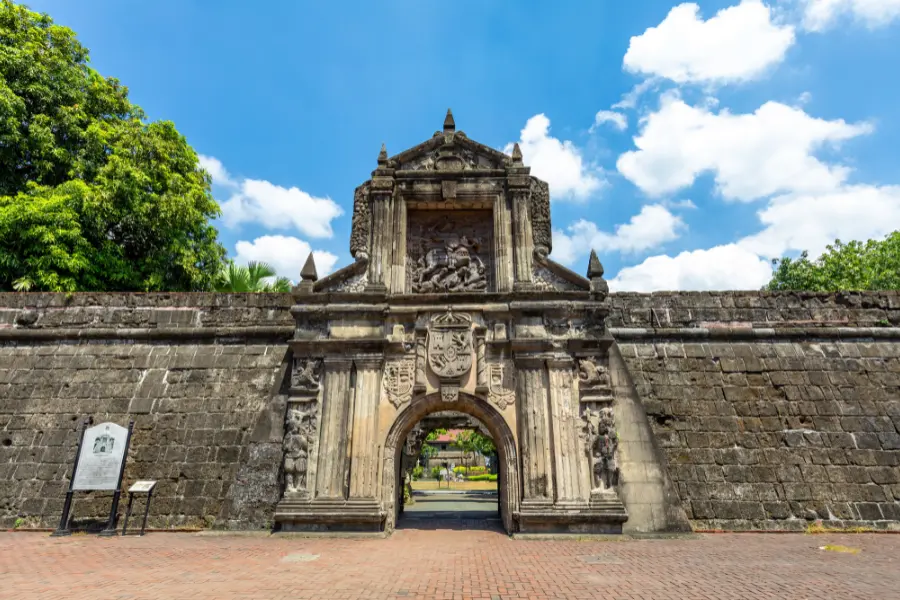
Intramuros, the walled city of Manila, is a living testament to the Philippines’ colonial past. Built by the Spanish in the late 16th century, this historic district offers a glimpse into the country’s rich heritage through its well-preserved architecture, cobblestone streets, and iconic landmarks. Whether you’re a history enthusiast or a casual traveler, Intramuros promises an immersive experience. Exploring Intramuros: The Historic Heart of Manila
1. Historical Significance
– Founded in 1571 by Spanish conquistador Miguel López de Legazpi.
– Was the political, military, and religious capital of Spanish authority in the Philippines.
– The walls were constructed to defend the city against invasions and rebellions.
– Was devastated by huge destruction during World War II, but restoration activities have helped maintain its legacy.
2. Must-Visit Landmarks
Fort Santiago
– A 16th-century fortress that was very important to Philippine history.
– Was a jail for the nation’s national hero, José Rizal, prior to his execution.
– Has dungeons, gardens, and a museum that demonstrate Rizal’s life and works.
San Agustin Church
– The Filipino oldest stone church, constructed in 1607.
– A UNESCO World Heritage Site, famous for its ornate Baroque architecture.
– Is home to the San Agustin Museum, which contains religious relics and colonial objects.
– Formally named the Minor Basilica of the Immaculate Conception.
– Has been reconstructed many times owing to earthquakes and wars.
– Boasts breathtaking stained-glass windows and majestic interiors.
Casa Manila
– A museum of a Spanish colonial residence.
– Displays 19th-century furniture, paintings, and lifestyle artifacts.
– Gives an insight into the lavish Spanish upper class lifestyle.
3. Unique Experiences
Walking and Bike Tours
– Visit Intramuros on foot or borrow a bamboo bike for an environmentally friendly tour.
– Guided tours give historical background and hidden tales about the walled city.
Horse-Drawn Carriage (Kalesa) Rides
– Indulge in old-world elegance by taking a ride on a vintage kalesa.
– A throwback mode of riding the cobblestone streets.
Local Cuisine and Dining
– Savor Filipino cuisine at Barbara’s Heritage Restaurant, famous for its cultural presentations.
– Stop by Ilustrado, a Spanish Filipino fusion restaurant.
Read also: Top 10 Islands to Visit in the Philippines
4. Best Time to Visit
– Dry season (December to May) is best for touring without rain disturbances.
– Cool dry months (December to February) are pleasant.
– Steer clear of the rainy season (June to November) from potential heavy rains.
5. Accessibility and Transportation
– Conveniently accessible by taxi, buses, LRT, and MRT.
– Walking is the optimal means of exploring, but guided tours and bike rentals can be arranged.
– Closest attractions are Rizal Park and Binondo (Manila’s Chinatown).
6. Practical Tips
– Don comfortable footwear for walking along cobblestone streets.
– Carry an umbrella or a hat to protect against the sun.
– Be sensitive to local culture, particularly when visiting churches and religious sites.
– Be mindful of personal belongings to prevent petty theft.
Exploring Intramuros: The Historic Heart of Manila.