
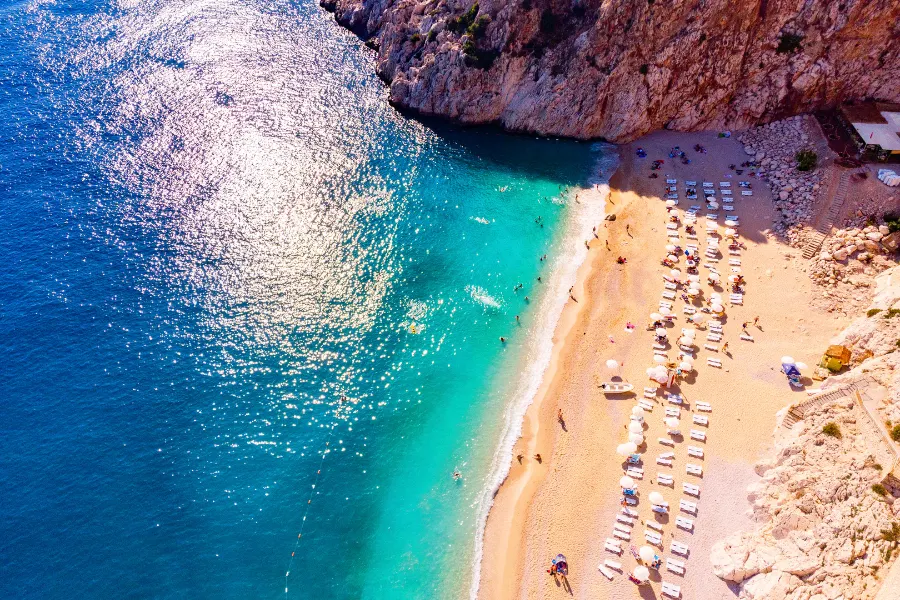
Kaş: Turkey’s Premier Scuba Diving Destination in 2026
Kaş has firmly established itself as one of the Mediterranean’s top scuba diving destinations. This charming coastal town on Turkey’s southwestern Lycian coast combines crystal-clear waters, dramatic underwater landscapes, ancient wrecks, and a relaxed atmosphere that makes it ideal for both beginner and experienced divers.
In 2026, Kaş continues to attract divers from around the world thanks to its exceptional visibility (often 30–40 meters), rich marine biodiversity, and professional dive centers. Unlike busier Turkish resorts, Kaş retains an authentic, laid-back fishing village charm while offering world-class diving just minutes from the harbor.
Whether you’re looking for your first open-water dive or planning technical wreck explorations, Kaş delivers an unforgettable underwater experience.
Why Kaş Is One of the Best Diving Spots in Turkey
Kaş benefits from its location on the Lycian coast, where the Taurus Mountains meet the Mediterranean Sea. The combination of deep drop-offs, caves, reefs, and wrecks creates diverse diving conditions suitable for all levels.
The town’s small size means most dive sites are reachable within a short boat ride, and the local community’s commitment to marine conservation has helped protect the reefs. In 2026, new eco-friendly mooring systems and stricter guidelines for dive operators have further improved the sustainability of diving in Kaş.
Amazing Fact #1: The waters around Kaş are home to over 500 species of marine life, including loggerhead turtles, rays, groupers, barracuda, moray eels, and colorful nudibranchs. The area is also part of important migration routes for pelagic species.
Read also: Ultimate Guide to Experiencing Local Cuisine in Major European Cities
Best Dive Sites in Kaş
Kaş offers a fantastic variety of dive sites, from shallow reefs perfect for beginners to challenging deep walls and wrecks for advanced divers.
Flying Fish Reef (Uçanbalık Resifi) This iconic site features a dramatic vertical wall dropping to over 60 meters. With excellent visibility, it’s a favorite for spotting large groupers, amberjacks, and barracuda. Best suited for experienced divers with good buoyancy control.
Canyon & The Reef (Kanyon) One of the most famous sites in Kaş, this area includes swim-through tunnels and the highlight — the well-preserved Dakota DC-3 plane wreck lying at around 20–30 meters. The wreck is beautifully encrusted with marine life and offers excellent photography opportunities.
Lighthouse Reef (Fener) A gentle, shallow reef ideal for beginners and night dives. Colorful sponges, octopus, and moray eels make it a relaxing yet rewarding site.
Tunnel (Tünel) A thrilling swim-through with dramatic rock formations and light effects. Perfect for intermediate divers looking for adventure.
Kaş Artificial Reef & Tank Wreck A fascinating site featuring a sunken military tank and purpose-built reef structures that attract a wide variety of fish.
Amazing Fact #2: The Dakota DC-3 plane wreck near Kaş is one of the most intact and accessible aircraft wrecks in the Mediterranean. It is believed to have been deliberately sunk in the 1990s to create an artificial reef and has since become a thriving marine habitat.
Underwater Wonders and Marine Life in Kaş
Diving in Kaş offers consistent visibility and healthy reefs. From June to October, the water temperature is a comfortable 24–27°C, making it ideal for long dives.
You can expect to see loggerhead turtles (very common), stingrays, schools of barracuda, and colorful reef fish. Patient divers are sometimes rewarded with rare sightings of seahorses or even Mediterranean monk seals in quieter areas.
Unique Idea: Join the “Kaş Underwater Photography Challenge.” Many dive centers in 2026 organize monthly challenges where divers compete (or simply participate) to capture the best images of specific marine species or light effects. Winners often get free dives or local recognition — a fun way to improve your skills while exploring the reefs.
Best Dive Schools and Operators in Kaş
Kaş has several professional dive centers with excellent reputations:
- Bougainville Diving: Highly rated, PADI-certified, and known for safety and eco-conscious practices.
- Kaş Diving Center: Experienced team with a strong focus on wreck dives and technical diving.
- Dragoman Diving: Combines diving with adventure activities like hiking and sea kayaking.
- Nautilus Diving: Excellent for beginners with patient instructors and introductory programs.
Most centers offer full equipment rental, PADI courses, and daily boat trips. In 2026, many have introduced hybrid courses combining theory online with practical dives, making certification faster and more flexible.
Unique Idea to Attract Users: Book a “Dive & Dine Experience” with your dive center. After a morning dive, enjoy a fresh seafood lunch on a traditional gulet boat while reviewing your underwater photos with the instructor. This has become a popular add-on in 2026 and creates a wonderful social atmosphere among divers.
Practical Travel Guide to Diving in Kaş 2026
Best Time to Dive: May to October offers the best conditions. July and August are warmest but can be busier. Shoulder months (May, June, September, October) often provide the best balance of weather, visibility, and fewer crowds.
Getting There:
- Fly into Dalaman Airport (about 2.5 hours drive) or Antalya Airport (3.5 hours).
- Private transfers and shuttle services are readily available.
Costs (2026 estimates):
- Single dive: €35–€50
- 10-dive package: €300–€420
- Full PADI Open Water Course: €450–€550
Pro Tips for 2026:
- Always use reef-safe sunscreen.
- Book popular sites (especially the plane wreck) in advance during peak season.
- Bring a waterproof camera or GoPro for capturing the beautiful underwater world.
Amazing Fact #3: The ancient Lycian civilization that once thrived around Kaş left behind numerous underwater archaeological sites. Divers occasionally discover ancient amphorae and pottery fragments, adding a fascinating historical dimension to the dives.