
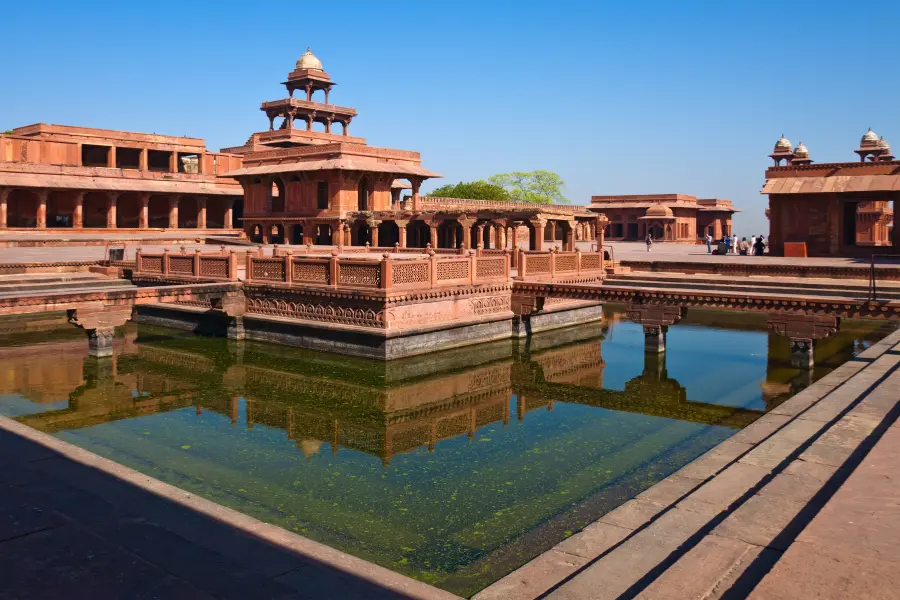
Fatehpur Sikri: Akbar’s Abandoned Dream City and UNESCO Masterpiece
Fatehpur Sikri captivates every visitor as one of India’s most hauntingly beautiful historical sites. Built by Emperor Akbar between 1571 and 1585, this magnificent red sandstone city was once the proud capital of the Mughal Empire. Located just 40 km from Agra, Fatehpur Sikri blends grand Mughal architecture with deep spiritual significance, making it a must-visit destination for history lovers, architecture enthusiasts, and anyone exploring the Golden Triangle.
In 2026, Fatehpur Sikri continues to draw travellers with its well-preserved structures, mystical atmosphere, and the legendary story of Sufi saint Salim Chishti. Unlike crowded monuments, it offers a peaceful yet awe-inspiring experience where history feels alive.
Why Fatehpur Sikri Remains One of India’s Most Fascinating UNESCO Sites
Emperor Akbar founded Fatehpur Sikri after the Sufi saint Salim Chishti blessed him with the prophecy of a male heir (future Emperor Jahangir). What started as a small village quickly transformed into a grand imperial capital showcasing Akbar’s vision of religious harmony and architectural brilliance. The city was occupied only for 14 years before water scarcity forced its abandonment, leaving behind over 400 perfectly preserved structures that still stand today.
Fatehpur Sikri is a stunning example of Indo-Islamic architecture, combining Hindu, Jain, Islamic, and Persian elements. Its red sandstone buildings glow beautifully at sunrise and sunset, creating magical photo opportunities.
Amazing Fact #1: Fatehpur Sikri was the first planned Mughal city in India and served as the capital during the peak of Akbar’s reign. Its sudden abandonment due to water shortage has preserved it almost exactly as it was in the 16th century.
Fatehpur Sikri Old Town and Iconic Architecture Highlights
The moment you enter Fatehpur Sikri, you step into a different era. The massive Buland Darwaza (54 metres high) welcomes you as the world’s tallest gateway, built to celebrate Akbar’s victory in Gujarat. It is so grand that it dominates the entire complex.
Key highlights you must not miss:
- Salim Chishti Tomb: The beautiful white marble tomb with exquisite lattice screens (jaali work). Visitors still tie threads here seeking blessings — a tradition that continues since Jahangir’s birth.
- Jama Masjid: One of the largest mosques in India with a vast courtyard and three elegant domes.
- Panch Mahal: A five-tiered open pavilion that once served as a viewing gallery for the zenana (women’s quarters). It offers excellent views and beautiful play of light at golden hour.
- Diwan-i-Khas: Famous for its unique central pillar with 36 serpentine brackets — believed to represent Akbar’s idea of universal harmony.
Unique Idea: Visit the Panch Mahal during golden hour (sunset). The red sandstone pillars glow with a warm crimson light, creating one of the most photogenic moments in all of Uttar Pradesh. Many travellers in 2026 now book private photography tours specifically for this magical time.
Amazing Fact #2: The intricate carving on the pillars and screens of Fatehpur Sikri showcases over 300 different geometric and floral patterns — a testament to the unmatched craftsmanship of Akbar’s era.
Read also: Best Tourist Places to Visit in India
Top Things to Do in Fatehpur Sikri in 2026
- Sunrise Entry Experience: Reach at 6 AM to enjoy the complex with golden morning light and almost no crowds.
- Official UP Circle Tour: Book the ₹750 Agra–Fatehpur Sikri–Taj Mahal day package for hassle-free travel.
- Battery Auto Ride: Rent an electric auto for ₹500 per hour to comfortably cover the vast 3 km complex.
- Chudi Bazaar Shopping: Browse colourful lac bangles, marble souvenirs, and traditional crafts. Bargain smartly — you can often get 40-50% off.
- Sound & Light Show: Watch the 7:30 PM show that brings Akbar’s story to life in Hindi and English.
Unique Idea to Attract Users: Create your own “Akbar’s Legacy Trail” — start at Buland Darwaza, visit the Sufi tomb for blessings, explore the Panch Mahal, and end with the Sound & Light Show. Many families now document this trail as a “Mughal History Adventure” for their children, making learning fun and memorable.
Practical Travel Guide to Fatehpur Sikri 2026
How to Reach Fatehpur Sikri:
- From Agra: 1 hour by bus (₹50) or taxi (₹1,500).
- From Jaipur: 4 hours by road via NH21.
- From Delhi: Possible as a long day trip (6+ hours) or combine with Agra.
Entry Fees: ₹50 for Indians, ₹600 for foreigners (2026 rates). The complex is open from 6 AM to 6 PM daily.
Best Time to Visit: October to March (pleasant 15–25°C). Avoid peak summer (April–June) when temperatures can hit 45°C.
Budget for a Day Trip: Entry ₹50 + Auto ₹500 + Food ₹300 + Souvenirs ₹500 = approximately ₹1,350 per person.
Pro Tips: Carry plenty of water, wear comfortable shoes (the complex is large), and visit early morning or late afternoon to avoid harsh sunlight.
Amazing Fact #3: The advanced water management system of Fatehpur Sikri — including underground tanks and stepwells — was designed to support nearly 4 lakh people before the sudden drying up of the ridge water sources forced abandonment.
Why Fatehpur Sikri Should Be Part of Your Golden Triangle Itinerary
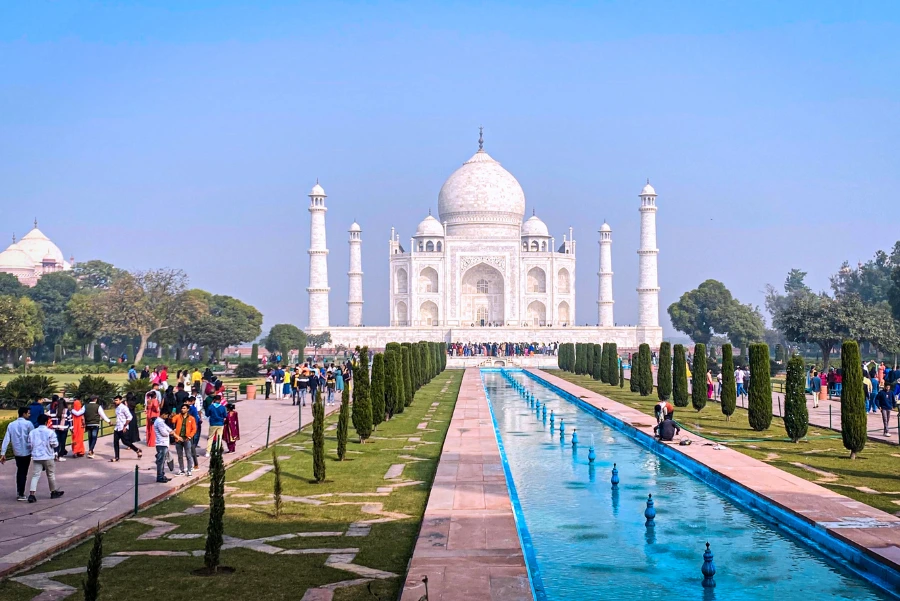
Fatehpur Sikri offers something truly special — a perfect blend of grand imperial vision and spiritual serenity. Pair it with a sunrise visit to the Taj Mahal for an unforgettable Golden Triangle experience. The silence of its abandoned palaces combined with the spiritual energy of Salim Chishti’s tomb creates an atmosphere unlike any other monument in India.
In 2026, improved visitor facilities, better lighting, and well-maintained pathways make exploring Fatehpur Sikri more comfortable than ever.
Fatehpur Sikri is not just another historical site — it is a living lesson in tolerance, architectural brilliance, and the impermanence of power. Akbar’s dream city continues to inspire millions with its timeless beauty and powerful story.