
Solo Travel in Banja Luka: Safety, Things to Do & Travel Tips
Solo travel in Banja Luka offers something that many popular European destinations have gradually lost: a chance to experience everyday local life without constantly navigating tourist crowds. Located in northwestern Bosnia and Herzegovina, this relaxed riverside city is known for its green streets, historic landmarks, welcoming café culture and beautiful natural surroundings.
As the second-largest city in Bosnia and Herzegovina and the administrative centre of Republika Srpska, Banja Luka combines urban convenience with a slower pace of life. The Vrbas River runs through the city, creating opportunities for riverside walks, outdoor adventures and peaceful afternoons in traditional cafés.
For independent travellers, this balance makes Banja Luka an interesting destination. You can explore its historic fortress, enjoy traditional Bosnian food, meet locals and spend an afternoon watching everyday life unfold over coffee.
It may not have the international fame of Sarajevo or Mostar, but that is part of its appeal. If you enjoy discovering less-visited destinations, travelling independently and exploring places at your own pace, Banja Luka deserves a place on your Balkan itinerary.
Where Exactly Is Banja Luka?
Banja Luka is situated in the northwestern part of Bosnia and Herzegovina, along the Vrbas River. It is the largest city and administrative centre of Republika Srpska, one of the two entities that make up Bosnia and Herzegovina.
The surrounding region is characterised by green hills, river valleys and scenic countryside. The Vrbas River is particularly important to the city’s identity, offering opportunities for walking, kayaking, rafting and other outdoor activities.
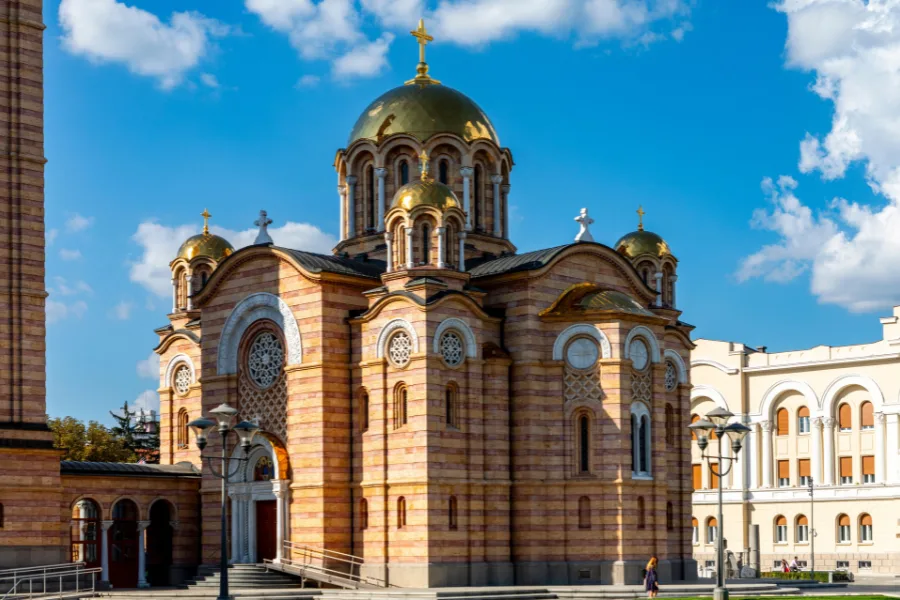
One advantage for solo travellers is the compact city centre. Several popular attractions, including Kastel Fortress, Gospodska Street, the Cathedral of Christ the Saviour and Ferhadija Mosque, are within comfortable walking distance of one another.
This makes Banja Luka relatively easy to explore without hiring a car or depending heavily on public transport.
Is Banja Luka Safe for Solo Travellers?
Safety is naturally one of the first concerns when planning a solo trip. Fortunately, Banja Luka is generally considered a manageable destination for independent travellers, including those visiting Bosnia and Herzegovina for the first time.
Serious violent crime involving tourists is not commonly reported, although no destination is entirely free from risk. Petty theft, occasional scams and road-related risks are worth keeping in mind.
The central neighbourhoods are generally comfortable to explore during daylight and early evening. Restaurants, cafés and pedestrian streets also create a reasonably active atmosphere.
Is Banja Luka Safe for Solo Female Travellers?
Many solo female travellers can enjoy Banja Luka comfortably by following ordinary travel precautions. Staying in central accommodation, choosing well-lit streets and using reputable transport services at night are sensible steps.
A few additional precautions can make your visit easier:
- Choose accommodation with good reviews and a central location.
- Avoid isolated areas when walking alone late at night.
- Keep your phone, wallet and passport secure.
- Use registered taxis rather than accepting unsolicited rides.
- Let someone know your plans when travelling outside the city.
- Trust your instincts if a situation or interaction feels uncomfortable.
Important Safety Considerations Outside the City
There are two additional considerations when travelling around Bosnia and Herzegovina.
Landmines: Landmines and unexploded ordnance remain a serious risk in some rural and remote areas. Do not leave established roads or marked paths in areas where landmine contamination may exist. Follow official local guidance and avoid abandoned buildings or unmarked countryside routes.
Road travel: Mountain roads and rural routes can be challenging, particularly during poor weather or after dark. If you plan to rent a car, allow extra travel time and check road conditions beforehand.
Overall, ordinary sightseeing in central Banja Luka is relatively straightforward when you take sensible precautions.
Local Culture and Everyday Life
One of the most enjoyable parts of solo travel in Banja Luka is experiencing the city’s everyday culture.
Banja Luka has a strong café tradition. Locals regularly meet friends, talk over coffee and spend long periods sitting outside when the weather is pleasant. Unlike destinations where cafés primarily serve tourists, many establishments here are part of ordinary neighbourhood life.
The city’s university also contributes to a younger atmosphere, particularly around popular cafés, restaurants and central pedestrian streets.
Hospitality is an important part of the local experience. People may be curious about visitors and willing to offer directions or recommendations, although English proficiency varies.
Learning a few basic local expressions can make everyday interactions easier:
- Dobar dan – Good day.
- Zdravo – Hello.
- Hvala – Thank you.
- Molim – Please or you’re welcome.
- Doviđenja – Goodbye.
Serbian is widely used in Banja Luka, and both Cyrillic and Latin scripts are common.
The region also has a complex modern history, particularly surrounding the conflicts of the 1990s. Visitors should approach historical and political subjects with sensitivity, avoid assumptions and respect local perspectives.
When visiting religious buildings, modest clothing and respectful behaviour are appreciated.
Read also: Ultimate Guide to Experiencing Local Cuisine in Major European Cities
Food, Coffee and Local Specialities
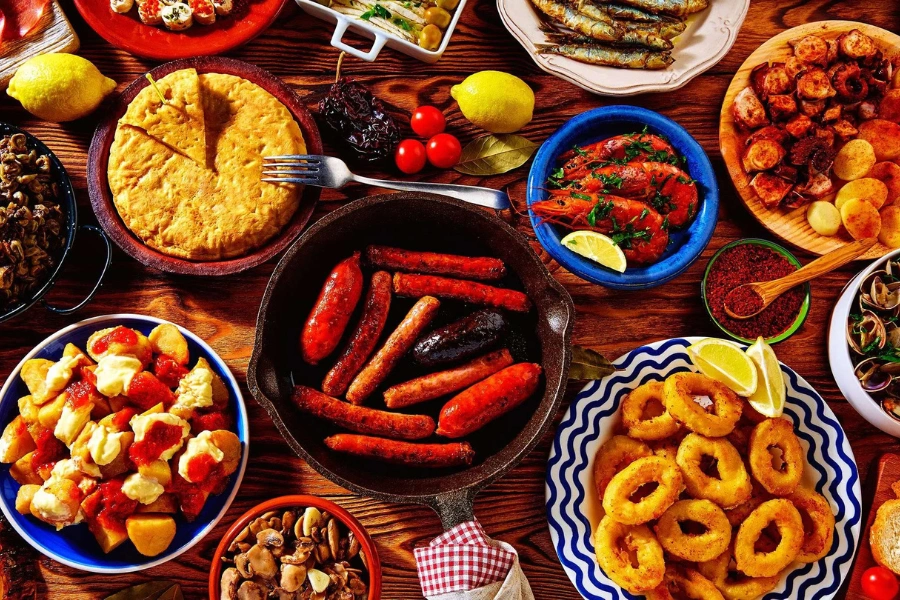
Food is an important part of the Banja Luka experience. Traditional cuisine is hearty, flavourful and influenced by the wider Balkan region.
For solo travellers, local restaurants and traditional grills provide an easy way to experience regional dishes without spending too much.
What Should You Eat in Banja Luka?
Banja Luka ćevapi: One of the city’s best-known specialities. These grilled minced-meat sausages are traditionally served in connected portions with soft lepinja bread, chopped onions and sometimes kajmak.
Burek and other pita: Popular baked pastries filled with meat, cheese, potatoes or spinach. They make an affordable breakfast or quick lunch.
Traditional stews: Slow-cooked dishes featuring meat, vegetables and rich flavours are common in traditional restaurants.
Grilled river fish: Depending on the restaurant and season, you may also find freshwater fish dishes.
Experience the Local Coffee Culture
Coffee is much more than a drink in Banja Luka. It is a social ritual.
Traditional Bosnian coffee is prepared in a small pot called a džezva and served in small cups. It is usually strong, unfiltered and enjoyed slowly.
Espresso and other modern coffee options are also widely available.
As a solo traveller, cafés are particularly useful places to take a break, read a book, plan your next activity or simply observe the city.
The relaxed atmosphere means nobody expects you to finish your coffee quickly and leave.
Getting to Banja Luka and Getting Around
Banja Luka is accessible by air and road, making it possible to include the city in a wider Balkan itinerary.
By Air
Banja Luka International Airport (BNX) serves the city and offers connections that vary depending on the season and airline schedules.
Airlines and routes can change, so check current flight availability before making travel arrangements.
Another option is to fly into Sarajevo or Zagreb and continue to Banja Luka by bus or car. This can be useful if you are combining several destinations in Bosnia and Herzegovina or neighbouring Croatia.
By Bus
Bus travel is a practical way to reach Banja Luka from other regional cities. Connections are available from destinations such as Sarajevo and other parts of Bosnia and Herzegovina, although journey times depend on the route and road conditions.
If travelling internationally, check the border-crossing requirements and allow extra time for delays.
Getting Around the City
The central area is compact enough to explore mainly on foot. Walking is usually the most convenient way to visit the main attractions, cafés and restaurants.
For longer journeys, taxis are available. Use established taxi companies and agree on the fare or confirm the meter before starting your journey.
Local buses also operate throughout the city, although most first-time visitors can explore the main tourist areas without relying heavily on them.
Best Things to Do in Banja Luka When Travelling Alone
Banja Luka is not a destination where you need to rush from one attraction to another. Its charm comes from combining a few interesting landmarks with relaxed experiences and time outdoors.
Here are some of the best things to include in your itinerary.
1. Explore Kastel Fortress
Kastel Fortress is one of the city’s most recognisable historical landmarks. Located beside the Vrbas River, it offers a pleasant setting for exploring, photography and relaxing.
You can walk around its historic grounds, admire the old stone walls and enjoy views of the surrounding river area.
Early mornings and late afternoons are particularly pleasant times to visit.
2. Walk Along Gospodska Street
Gospodska Street is one of Banja Luka’s main pedestrian shopping and social areas.
It is lined with cafés, shops and attractive buildings, making it an excellent place for solo travellers to experience the city’s atmosphere.
Spend some time browsing local shops, enjoying a coffee or watching people go about their daily routines.
3. Visit the Cathedral of Christ the Saviour
The Cathedral of Christ the Saviour is an impressive Orthodox church located in the city centre.
Its distinctive architecture and central location make it an interesting stop for visitors interested in religious architecture and local history.
Take time to appreciate its exterior and surrounding public spaces.
4. Discover Ferhadija Mosque
Ferhadija Mosque is another important historical and cultural landmark in Banja Luka.
The mosque has a significant place in the city’s heritage and represents an important part of its Ottoman-era history.
Visitors should dress respectfully and check access arrangements before entering, particularly during prayer times.
5. Spend Time Beside the Vrbas River
The Vrbas River is one of the defining features of Banja Luka.
Its riverside areas provide opportunities for walking, photography and relaxing away from the busier streets.
You can enjoy a peaceful morning walk, find a quiet place to sit or simply watch the river flowing through the city.
6. Try Rafting or Kayaking on the Vrbas
For travellers who enjoy outdoor activities, the Vrbas River offers opportunities for rafting and kayaking.
The surrounding canyon provides a scenic setting, and organised trips are available during suitable seasons.
Choose an established operator, check weather and water conditions, and make sure the activity includes appropriate safety equipment and guidance.
7. Take a Trip to Krupa na Vrbasu
If you have extra time, consider visiting Krupa na Vrbasu, a scenic destination outside the city.
The area is known for its waterfalls, traditional watermills, natural surroundings and beautiful river scenery.
It offers a welcome change from the urban environment and is a good option for travellers interested in photography and nature.
Practical Travel Information for Banja Luka
A little preparation can make independent travel much easier. Here are the essential details to know before visiting.
Currency: Bosnia and Herzegovina uses the convertible mark (BAM or KM). Its exchange rate is fixed at approximately €1 = 1.95583 BAM.
Cash and cards: Cards are accepted in many hotels, larger shops and restaurants, but smaller businesses may prefer cash. Keep some local currency available.
Language: Serbian is widely spoken in Banja Luka. English is more common in hotels, tourist-facing businesses and among younger people, but proficiency varies.
Best time to visit: Late spring, summer and early autumn are generally comfortable for sightseeing and outdoor activities. Summer can be warm, while winter is colder and quieter.
Accommodation: Staying near the city centre is convenient for accessing major attractions, restaurants and pedestrian areas.
Internet: Wi-Fi is available in many hotels and cafés. International visitors should check mobile roaming charges or arrange a suitable local SIM or eSIM.
Electricity: Bosnia and Herzegovina uses European-style Type C and Type F plugs, with a standard voltage of 230V.
Travel documents: Check passport validity, visa requirements and current entry conditions for your nationality before departure.
A Simple 2–3 Day Banja Luka Itinerary for Solo Travellers
You do not need a packed schedule to enjoy Banja Luka. Two or three days are generally enough to explore the central attractions, sample local food and enjoy some time outdoors.
Day 1: Discover the City Centre
Start your morning with breakfast at a local café before exploring Gospodska Street.
Continue towards the Cathedral of Christ the Saviour and Ferhadija Mosque to discover some of the city’s important architectural landmarks.
In the afternoon, visit Kastel Fortress and enjoy a walk beside the Vrbas River.
Finish the day with traditional Banja Luka ćevapi at a local restaurant.
Day 2: Explore Nature and Local Life
Begin with a relaxed morning walk along the river.
If conditions and your schedule allow, arrange a guided rafting or kayaking experience on the Vrbas.
Alternatively, spend the afternoon exploring additional neighbourhoods, visiting cafés or discovering local markets.
In the evening, enjoy a leisurely meal and experience the city’s café culture.
Day 3: Take a Short Day Trip
If you have an extra day, consider visiting Krupa na Vrbasu.
Explore the waterfalls, traditional watermills and surrounding natural scenery.
Return to Banja Luka in the afternoon for a final coffee or relaxed dinner before continuing your journey.
You can adjust this itinerary depending on the weather, your interests and available transport.
Essential Tips for a Smooth Solo Trip
A few practical habits can make your visit more comfortable and enjoyable.
- Stay centrally: Choose accommodation close to the main pedestrian area to reduce the need for late-night transport.
- Carry some cash: Smaller restaurants, cafés and local businesses may not accept cards.
- Download offline maps: This is useful if you lose mobile connectivity or need directions.
- Learn basic local phrases: Even a few words can make interactions more welcoming.
- Use reputable transport: Choose registered taxis, especially when travelling at night.
- Respect local customs: Dress appropriately at religious sites and be considerate when photographing people.
- Check weather conditions: This is especially important if you are planning rafting, kayaking or countryside excursions.
- Stay on marked paths: Never explore potentially contaminated rural areas or abandoned sites.
- Check travel advisories: Review current official travel advice for Bosnia and Herzegovina before departure.
Is Banja Luka Worth Visiting Alone?
Absolutely. Banja Luka may not offer the endless sightseeing opportunities of Europe’s biggest tourist cities, but it provides something different: an opportunity to slow down and experience a destination on your own terms.
You can spend your morning exploring Kastel Fortress, enjoy a traditional coffee in the afternoon, walk along the Vrbas River and finish the day with a local meal.
The city’s compact centre makes independent exploration relatively straightforward, while its surrounding natural attractions provide opportunities for outdoor adventures.
For travellers looking beyond the usual Balkan destinations, Banja Luka is worth considering. It is particularly appealing if you value local culture, affordable experiences, beautiful riverside scenery and a more relaxed style of travel.
Sometimes, the most memorable solo trips are not about ticking off the most attractions. They are about finding a place where you feel comfortable exploring at your own pace. Banja Luka offers exactly that kind of experience.
Frequently Asked Questions About Solo Travel in Banja Luka
Is Banja Luka safe for solo female travellers?
Banja Luka is generally manageable for solo female travellers who follow standard safety precautions. Staying in central accommodation, avoiding isolated streets late at night and using reputable transport can help make the experience more comfortable.
What currency is used in Banja Luka?
The official currency is the convertible mark (BAM or KM). It is pegged to the euro at a fixed rate of approximately €1 = 1.95583 BAM.
How do I get to Banja Luka?
You can fly into Banja Luka International Airport (BNX), depending on available routes, or travel through Sarajevo or Zagreb and continue by bus or car. Check current flight and transport schedules before travelling.
What is Banja Luka famous for?
Banja Luka is known for its Vrbas River, Kastel Fortress, traditional ćevapi, café culture, green streets and historic religious architecture.
Is English widely spoken in Banja Luka?
English is commonly understood in many hotels, restaurants and tourist-facing businesses, particularly among younger people. However, English proficiency varies outside these areas, so learning a few basic Serbian phrases is helpful.
How many days should I spend in Banja Luka?
Two to three days are generally enough to explore the main attractions, enjoy local food and experience the city’s relaxed atmosphere. An additional day is useful if you want to visit nearby natural attractions such as Krupa na Vrbasu.
Is Banja Luka expensive for tourists?
Banja Luka is generally more affordable than many major Western European destinations. Accommodation, local food and everyday expenses can be relatively budget-friendly, although actual costs depend on the season and your travel style.
Can you explore Banja Luka without a car?
Yes. The main city centre is compact and walkable, with many important attractions located close to each other. Taxis and local buses are available for destinations further away.
What is the best time to visit Banja Luka?
Late spring through early autumn is generally a good time to visit, particularly if you want to enjoy walking, sightseeing and outdoor activities along the Vrbas River. Winter offers a quieter experience but colder weather.
Is Banja Luka worth visiting on a Balkan trip?
Yes. Banja Luka is a worthwhile addition for travellers interested in exploring a less-touristed part of Bosnia and Herzegovina. Its relaxed atmosphere, local food, historical attractions and outdoor activities make it a good alternative to busier Balkan destinations.