

What to See and Do in Brindisi, Italy: The Ultimate One-Day Itinerary
Brindisi rarely tops “must-see” lists for Puglia, yet this historic port city rewards a full day of exploration. Once the endpoint of the ancient Via Appia and a departure point for Crusaders, Brindisi still feels like a working harbour town rather than a polished tourist stage. In one well-planned day you can walk the old town, stand at the Roman columns overlooking the water, taste excellent seafood, and catch golden-hour views across the harbour.
This itinerary is designed for travellers arriving by train, plane or as a day trip from Lecce or Bari. Everything is compact and mostly walkable.
Is Brindisi Worth Visiting for a Day?
Yes — if you appreciate history, authentic atmosphere and good food without the crowds of Lecce or Ostuni. Brindisi is not a postcard-perfect white village, but it offers Roman remains, a pleasant waterfront, two impressive castles (one best viewed from outside), and a genuine local feel. Many visitors use it as a convenient base or stopover thanks to its airport and ferry connections. A single day is enough to see the main highlights at a relaxed pace.
Morning: Roman Columns, Lungomare & Historic Centre
Start early at the waterfront to enjoy the light and avoid the midday heat in summer.
Lungomare Regina Margherita
Begin with a stroll along the palm-lined promenade that follows the inner harbour. The views toward Castello Alfonsino (the sea fortress on the island of Sant’Andrea) are especially fine in the morning. This is the social heart of the city — locals walk, chat and stop for coffee.
Scalinata Virgilio and the Roman Columns
Climb the broad white staircase known as Scalinata Virgilio. At the top stands the surviving Roman column that traditionally marked the end of the Via Appia. The second column fell centuries ago; its capital is now kept indoors for protection. The viewpoint is one of the most atmospheric spots in Brindisi — harbour on one side, old town behind you.
Piazza Duomo and the Cathedral
A short walk leads to Piazza Duomo, widely regarded as the prettiest square in the city. Surrounding it are the Cathedral (Cattedrale di San Giovanni Battista), the Portico of the Knights Templar, the Archbishop’s Palace and the Provincial Archaeological Museum (Museo Archeologico Francesco Ribezzo). The cathedral has Romanesque roots but was largely rebuilt after the 1743 earthquake; look for remaining mosaic fragments and the wooden choir.
Tempio di San Giovanni al Sepolcro
Hidden in the narrow streets is this unusual circular Romanesque church from the late 11th century. It was built as a smaller replica of the Holy Sepulchre in Jerusalem for pilgrims and Crusaders departing from Brindisi. Opening times can vary; check locally or ask at the tourist office.
Other nearby stops
If time and openings allow, visit the archaeological area of San Pietro degli Schiavoni (Roman remains under and around the modern Teatro Verdi) and the exterior of Castello Svevo (Swabian Castle), which is still a military zone and usually only open on special occasions.
The historic centre is compact. Allow 2.5–3.5 hours for this morning loop at a leisurely pace, including coffee stops.
Lunch: Where to Eat Local Food
Brindisi’s cuisine focuses on fresh seafood and classic Puglian dishes. Look for:
- Raw seafood platters (crudi di mare)
- Orecchiette or cavatelli with seafood or simple tomato and ricotta
- Octopus, mussels, and local olive oil
Popular, well-regarded spots often mentioned by visitors and locals include places near the port and in the historic centre such as La Locanda del Porto, Brunda, La Nassa and others specialising in fish. For a lighter option, pizza or focaccia works well. Book ahead in high season, especially for harbour-view tables. Prices are generally more reasonable than in more touristy towns further south.
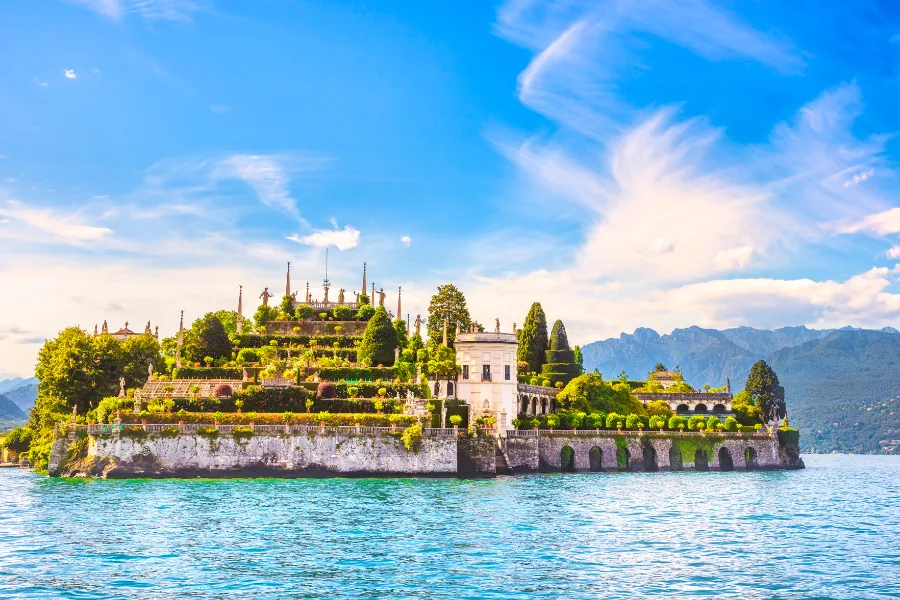
Read also: Stresa Ferry Guide to the Borromean Islands
Afternoon: Sailor’s Monument & Harbour Views
After lunch, cross to the opposite side of the harbour.
Monumento al Marinaio d’Italia
This striking 53-metre monument dedicated to Italian sailors is reached by a short boat taxi or local bus. Climb to the terrace (small entrance fee) for the best panoramic view of Brindisi’s harbour, the old town and the Roman column side. The crypt and interior displays add historical context. Even if you prefer not to climb, the exterior and surrounding park are worthwhile.
From here you can also appreciate Castello Alfonsino across the water, especially as the light softens later in the afternoon.
If you have extra energy and transport, a short trip north to the Torre Guaceto nature reserve offers protected coastline and beaches, but this is better as a half-day addition rather than part of a pure city itinerary.
Practical Tips for Your Day in Brindisi
- Getting around: The historic centre and lungomare are flat and walkable. Comfortable shoes are essential. For the Sailor’s Monument, use the small boat service or bus.
- Best time: Spring and autumn offer pleasant temperatures. Summer is hot; start early and rest during the hottest hours.
- Opening times: Museums and some churches close for lunch or have limited hours. Verify current schedules on the day (tourist office in Palazzo Granafei-Nervegna is a good starting point).
- How to arrive: Brindisi Airport is only a few kilometres from the centre. Trains connect easily with Lecce (about 30–40 minutes) and Bari.
- Beach note: There is no major beach right in the city centre. Closest options require a short bus or taxi ride.
- Family-friendly: The walking distances are manageable for older children. The monument climb and harbour boat can be highlights.
Brindisi works well as a half-day or full-day stop if you are based in Lecce or travelling through Puglia. It also makes a practical overnight base thanks to the airport and ferry port.
Pingback: Koblenz Travel Guide: Old Town, Attractions & Day Trips - Travelogy