
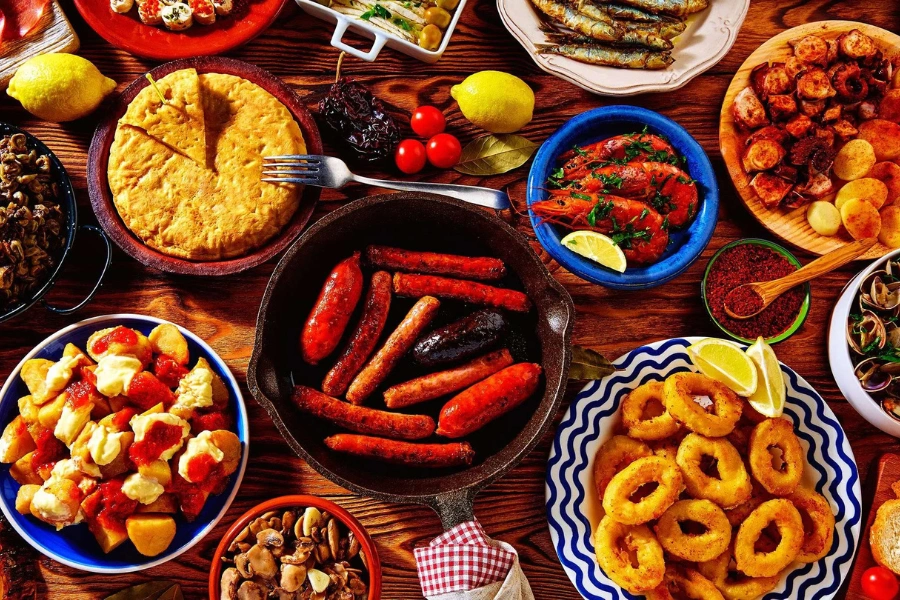
Local Cuisine in Europe: How to Eat Like a Local in 2026
Local Cuisine in Europe offers one of the most rewarding ways to truly experience the continent. Beyond famous landmarks and crowded tourist restaurants lies a rich world of markets, neighborhood eateries, family-run spots, and seasonal specialties that reveal the real heart and soul of each country.
In 2026, with growing interest in sustainable and authentic travel, discovering Local Cuisine in Europe has never been more popular — or easier. Whether you’re in Paris, Rome, Lisbon, Barcelona, or Berlin, this guide will help you move past tourist traps and enjoy genuine, memorable meals that locals actually eat.
Why Focusing on Local Cuisine in Europe Matters
Eating locally connects you to culture, history, and people in the most delicious way possible. It supports small businesses, reduces your travel footprint, and often costs less while tasting far better than generic tourist menus.
Local Cuisine in Europe is incredibly diverse. From hearty Alpine dishes in the north to fragrant Mediterranean flavors in the south, every region has its own identity shaped by geography, climate, and tradition. In 2026, many cities are actively promoting “slow food” and zero-waste initiatives, making it easier for visitors to participate in authentic culinary experiences.
Amazing Fact #1: Italy alone has over 2,500 traditional regional dishes. UNESCO recognizes the Mediterranean diet (shared across Southern Europe) as Intangible Cultural Heritage, highlighting how deeply food is tied to European identity and lifestyle.
Core Principles for Discovering Local Cuisine in Europe
To eat like a local anywhere in Europe, follow these timeless principles:
- Follow the queues: Long lines of locals at lunchtime are usually a better sign than fancy décor or English-only menus.
- Visit markets early: Central food markets are treasure troves of seasonal ingredients, street food, and local life. Arrive before 10 AM for the freshest produce and friendliest vendors.
- Wander off the main squares: The best food is often found one or two streets away from famous landmarks.
- Ask locals: Simple questions like “Where do you eat?” or “What’s your favorite dish?” can unlock hidden gems.
Unique Idea: Start a “Local Cuisine Passport” for your trip. For each city, collect one signature dish, one market find, and one conversation with a local vendor or chef. Many travelers in 2026 turn this into a beautiful travel journal or Instagram series that inspires others to eat more authentically.
Read also:
Best Ways to Experience Local Cuisine in Europe
Join small-group food tours Operators like Eating Europe, Streaty, and local guides offer excellent walks that combine history with real food experiences. In 2026, many tours now include sustainable and zero-waste focuses.
Prioritize lunch over dinner Many authentic family-run restaurants offer better value and a livelier local atmosphere at lunchtime.
Use local-language search Search “migliori ristoranti locali” in Italy, “meilleurs bistrots” in France, or “melhores tascas” in Portugal to find genuine spots.
Unique Idea to Attract Users: Create a “Europe Local Food Bingo” card before your trip. Include items like “eat at a market stall with only locals,” “try a dish recommended by a vendor,” or “dine in a restaurant with no English menu.” It turns discovering Local Cuisine in Europe into a fun game that keeps you engaged and curious.
Local Cuisine in Europe: City-by-City Highlights (2026 Updates)
Italy Focus on neighborhood trattorias, pizza al taglio, and markets like Campo de’ Fiori in Rome or Mercato Centrale in Florence. In 2026, many Italian cities have expanded “aperitivo hour” with local wines and small plates at excellent value.
France Look for bistros away from major tourist sites. In Paris, head to areas like Canal Saint-Martin or the 11th arrondissement. Lyon remains the gastronomic capital with its famous bouchons. Toulouse and Bordeaux offer superb Southwest French cuisine at more reasonable prices than Paris.
Spain Embrace tapas culture in residential neighborhoods. In Barcelona, explore Gràcia or Poble Sec. Madrid’s tapas scene thrives in areas like La Latina. In 2026, vermouth bars and seasonal “menú del día” remain fantastic value.
Portugal Tascas (small taverns) serve the most authentic food. Try bifanas, grilled sardines, and pastéis de nata. Lisbon’s Mercado de Campo de Ourique and Porto’s Bolhão Market are excellent starting points.
Germany & Northern Europe Berlin’s street food scene (especially currywurst and döner) has evolved with high-quality international influences. Copenhagen’s Torvehallerne food hall and Amsterdam’s street stalls offer great local snacks.
Amazing Fact #2: The Slow Food movement, born in Italy in 1986, now has millions of supporters across Europe and has helped preserve hundreds of traditional foods and artisan techniques that were at risk of disappearing.
Seasonal Eating and Sustainability in Local Cuisine in Europe
In 2026, seasonal and sustainable eating is a major trend across Europe. Many restaurants highlight “km 0” ingredients and zero-waste practices. Visiting markets helps you understand what’s in season and supports local farmers directly.
Unique Idea: Participate in a “Foraging Walk + Cooking Class” in cities like Lisbon, Barcelona, or the countryside around Florence. These experiences combine light hiking with learning about wild edible plants and then cooking them — a wonderful way to connect deeper with Local Cuisine in Europe.
Budget Tips and Smart Strategies
- Eat lunch as your main meal (often cheaper set menus).
- Buy picnic supplies from markets instead of restaurants for some meals.
- Look for “Menu del Día” in Spain, “Plat du Jour” in France, or daily specials in Italy.
- Use local apps or websites for resident recommendations.
Pingback: Shkodra to Theth & Komani Lake: Ultimate Albanian Alps Adventure Itinerary - Travelogy