
Dzanga-Sangha: Africa’s Best-Kept Secret in the Heart of the Congo Basin
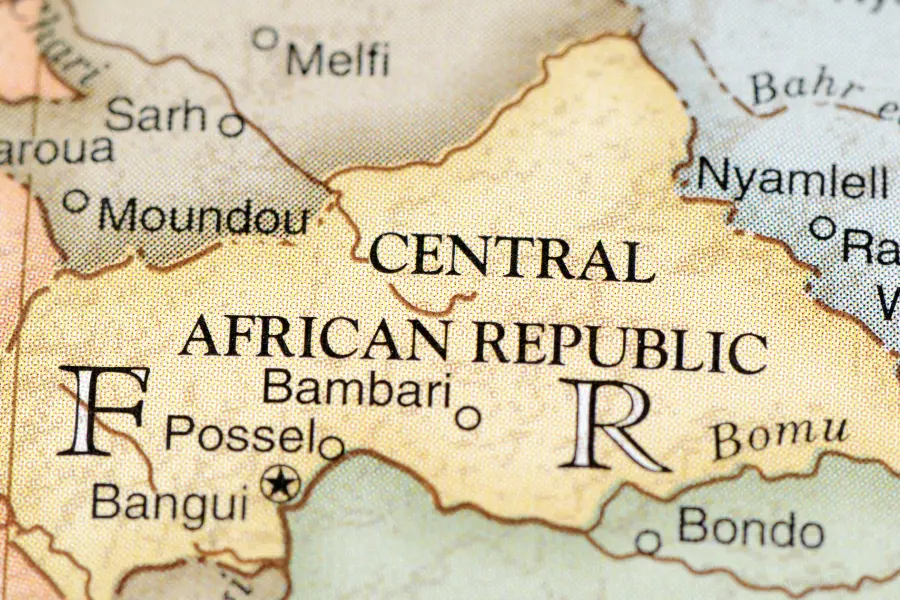
Dzanga-Sangha stands as one of Africa’s most extraordinary yet least-visited wilderness areas. Located in the southwestern corner of the Central African Republic, this vast protected landscape forms part of the Sangha Tri-National UNESCO World Heritage Site and represents one of the largest intact blocks of rainforest in the Congo Basin.
In 2026, Dzanga-Sangha continues to offer a raw, authentic rainforest experience that feels far removed from the polished safari circuits of East or Southern Africa. Here, visitors can track habituated western lowland gorillas, witness massive gatherings of forest elephants at mineral-rich clearings like Dzanga Bai, and engage meaningfully with the indigenous Ba’Aka people — all within one of the most biodiverse ecosystems on the planet.
While access remains rugged and the broader country carries significant safety considerations, the southwestern region around Dzanga-Sangha has seen gradual improvements in stability, supporting a modest but growing number of dedicated ecotourists (around 800 visitors in 2025, generating roughly $1 million in revenue, much of which supports local communities and conservation).
Why Dzanga-Sangha Feels Truly Wild and Special
What sets Dzanga-Sangha apart is its scale and connectivity. Unlike many fragmented protected areas, this reserve maintains large, unbroken tracts of primary rainforest where wildlife can move freely across borders with neighboring parks in Cameroon and the Republic of Congo. The landscape features dense tropical forest, seasonal swamps, rivers, and iconic forest clearings (bais) where animals congregate.
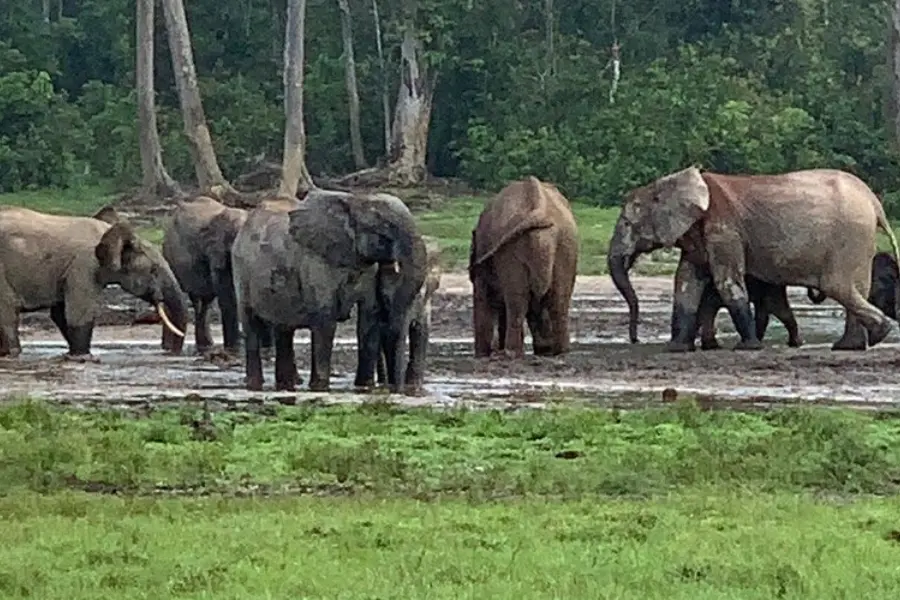
The reserve is particularly renowned for its healthy populations of western lowland gorillas and one of the highest densities of forest elephants in Africa. At Dzanga Bai (meaning “Village of Elephants”), it is possible to see dozens — sometimes over 100 — forest elephants in a single day, a spectacle rarely matched elsewhere.
Amazing Fact #1: Dzanga Bai is considered one of the most important forest elephant gathering sites in the world. On peak days, more than 150 elephants may visit the clearing simultaneously to drink mineral-rich water and socialize — a breathtaking sight in the heart of the Congo Basin rainforest.
Read also: Is Central African Republic Worth Visiting?
Dzanga-Sangha Gorilla Trekking and Wildlife Experiences
One of the main draws of Dzanga-Sangha is the opportunity to trek habituated groups of western lowland gorillas. While different from the mountain gorillas of Rwanda or Uganda (these gorillas are more arboreal and live in denser forest), the experience remains deeply moving and intimate.
In addition to gorillas, visitors can observe forest elephants, bongos (the largest forest antelope), sitatunga, chimpanzees, and an incredible array of birdlife. Canoe trips on the Sangha River offer excellent chances to spot wildlife from the water while experiencing the rainforest from a different perspective.
Cultural interactions with the Ba’Aka (one of Central Africa’s indigenous hunter-gatherer groups) add profound depth. Travelers can join traditional net-hunting demonstrations, learn about forest medicines, and gain insights into sustainable living in harmony with the rainforest.
Amazing Fact #2: Western lowland gorillas in Dzanga-Sangha are genetically distinct and more adapted to swampy, flooded forests than their mountain cousins. The reserve supports one of the most important remaining populations of this subspecies, which is classified as Critically Endangered.
Unique Idea to Attract Users: Create your own “Dzanga-Sangha Sensory Journal.” During your visit, dedicate time each day to note one sound, one smell, one texture, and one wildlife encounter. Many travelers in 2026 use this mindful approach to deepen their connection with the rainforest and later transform their notes into powerful personal travel stories or photo essays.
Practical Travel Realities in Dzanga-Sangha 2026
Dzanga-Sangha is remote. Access typically involves flying into Bangui, followed by a charter flight or long overland journey to Bayanga (the gateway town). Accommodation is limited to a handful of simple but comfortable lodges, such as Doli Lodge or Sangha Lodge, which emphasize low-impact operations and community benefits.
In 2026, ecotourism is growing gradually thanks to improved local stability in the southwest. Visitor numbers remain low (around 800 in 2025), which preserves the wilderness feel but also means higher per-person costs due to logistics and security measures.
Unique Idea: Support “Community-Led Conservation Photography Workshops.” Several operators now partner with Ba’Aka guides and local photographers to offer workshops where visitors learn traditional tracking skills while capturing images that can be used for conservation awareness. It’s a meaningful way to give back while creating lasting memories.
Amazing Fact #3: The Sangha Tri-National Landscape (which includes Dzanga-Sangha) protects one of the largest continuous tracts of tropical rainforest in Africa — roughly the size of Switzerland — and plays a critical role in global carbon storage and climate regulation.
Who Should Visit Dzanga-Sangha?
Dzanga-Sangha is ideal for:
- Passionate conservation travelers who value raw wilderness over luxury.
- Wildlife enthusiasts specifically interested in western lowland gorillas and forest elephants.
- Travelers comfortable with rugged logistics, guided experiences, and contributing to community-based conservation.
- Photographers and researchers seeking unique, low-volume encounters.
It is not suitable for those seeking easy access, polished infrastructure, or combining a safari with beach relaxation. The experience is more expedition-style than classic safari.
Unique Idea to Attract Users: Launch a “Virtual Dzanga-Sangha Adoption Program.” Travelers who cannot visit in person can “adopt” a forest elephant or support a Ba’Aka family through verified conservation projects. Many 2026 visitors combine an actual trip with ongoing virtual support, creating a deeper, year-round connection to the landscape.
Responsible Travel Considerations for Dzanga-Sangha
Any visit to Dzanga-Sangha must prioritize safety, low environmental impact, and direct benefits to local communities. Work only with reputable operators who employ local Ba’Aka guides, support anti-poaching efforts, and maintain strict health protocols (including antigen testing before gorilla visits).
In 2026, tourism revenue is increasingly directed toward community development and park protection, helping create sustainable incentives against illegal logging and poaching.
Pingback: Why You Should Visit Limoges – France’s Underrated Gem - Travelogy