
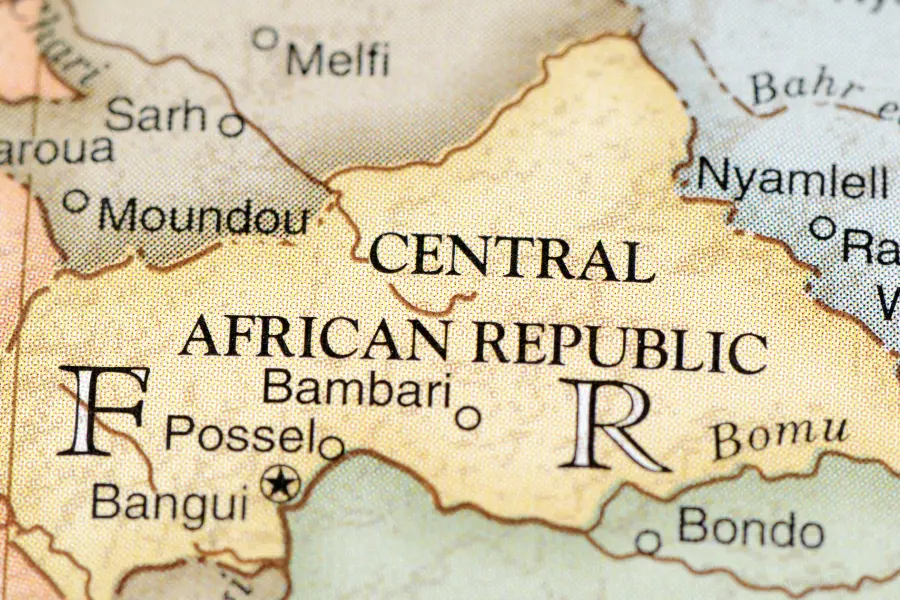
Central African Republic 2026: Is It Safe to Visit? Honest Safety Guide & Alternatives
Central African Republic remains one of the most dangerous countries in the world for travelers in 2026. Multiple governments, including the United States, United Kingdom, Australia, and Canada, maintain a Level 4: Do Not Travel advisory due to ongoing armed conflict, terrorism, kidnapping, violent crime, landmines, and severe health risks.
While Central African Republic has undeniable natural attractions — such as pristine rainforests, lowland gorillas in Dzanga-Sangha Reserve, and vast wildlife areas — the extreme safety risks far outweigh any potential rewards for the vast majority of travelers. This honest, up-to-date guide (as of April 2026) explains why most people should skip Central African Republic and suggests much safer alternatives.
Read also: Discovering Mittenwald: Bavaria’s Most Photogenic Alpine Village
Why Central African Republic Carries Extreme Risks in 2026
The security situation in Central African Republic has shown only marginal improvement in some urban pockets, but rural areas and even parts of the capital Bangui remain highly volatile. Armed groups continue to control large swathes of territory, and incidents of kidnapping, banditry, and clashes with government forces (often supported by foreign mercenaries) are frequent.
Key Risks in April 2026:
- Unrest & Armed Conflict: Civil war since 2012 persists. Multiple armed factions control up to 80% of rural territory. Clashes, civilian attacks, and child soldier recruitment continue.
- Kidnapping & Violent Crime: Foreigners, including aid workers and journalists, are prime targets for ransom. Recent cases highlight the danger even in Bangui.
- Terrorism & Landmines: Terrorist groups operate in border regions; unexploded ordnance poses a constant threat.
- Health & Infrastructure: Yellow fever and malaria are rampant with limited medical facilities. Roads are poor and bandit-prone; reliable healthcare outside the capital is virtually nonexistent.
- Overall Safety Score: Central African Republic ranks among the bottom 5 safest countries globally (around 223/248), worse than many conflict zones like Afghanistan or Somalia in certain metrics.
Recent updates (January–March 2026) from the US State Department and other governments added or emphasized health risks, with no downgrade from Level 4.
Amazing Fact #1: Despite its challenges, Central African Republic is one of the most biodiverse countries in Africa, home to the world’s second-largest rainforest after the Amazon and hosting critically important populations of western lowland gorillas and forest elephants.
Attractions in Central African Republic (If Risks Are Ignored)
For ultra-experienced adventurers with serious resources, a few highlights exist — but they require expensive, heavily secured organized tours:
- Dzanga-Sangha Special Reserve (UNESCO site): One of the best places in the world for habituated western lowland gorilla trekking, forest elephant viewing at Dzanga Bai, and Ba’Aka indigenous experiences. Tours cost €5,000+ per person with full security.
- Bangui & Ubangi River: The capital has some waterfalls and river scenery, but movement is heavily restricted and requires armed escorts.
- Manovo-Gounda-St. Floris National Park: Vast wildlife area, but access is extremely limited and dangerous due to armed groups.
In 2026, gorilla trekking in Dzanga-Sangha is still possible through a handful of specialist operators, but it involves chartered flights, armed protection, and satellite communication — far from a standard safari.
Unique Idea: If you’re a serious conservationist or photographer willing to accept high risks, consider supporting virtual or remote conservation projects instead of visiting. Several organizations now offer “virtual gorilla tracking” experiences or carbon-offset programs that fund Ba’Aka communities and anti-poaching efforts without putting travelers in danger. This allows you to contribute meaningfully while staying safe.
Who Might Consider Visiting Central African Republic?
Only a very small group of ultra-adventurous, well-prepared travelers should even contemplate Central African Republic in 2026:
- Professional wildlife photographers or researchers with institutional backing.
- Highly experienced overlanders with private security teams.
- Those on strictly organized, high-end conservation tours with full evacuation insurance.
Requirements if proceeding:
- Professional armed security (often €2,000+ per day).
- Comprehensive evacuation insurance (standard policies exclude CAR).
- Satellite phone and tracking device.
- Official permits from the Ministry of Interior (€500+).
- Constant monitoring of local security alerts.
Even then, most experts strongly advise against non-essential travel.
Amazing Fact #2: Central African Republic is one of only two countries in the world where you can trek habituated western lowland gorillas in the wild (the other being parts of Congo). The Dzanga Bai clearing can host hundreds of forest elephants at once — one of Africa’s greatest wildlife spectacles.
Safer & Better Alternatives in Africa
Instead of risking Central African Republic, consider these outstanding, much safer destinations that offer similar or superior wildlife and cultural experiences:
| Destination | Safety Level | Key Attractions | Why Better Alternative |
|---|---|---|---|
| Rwanda | Very Safe | Mountain gorillas, lakes, volcanoes | World-class gorilla trekking with excellent infrastructure |
| Botswana | Very Safe | Okavango Delta, elephants, safaris | Premier wildlife viewing, luxury camps |
| Namibia | Safe | Deserts, dunes, wildlife | Dramatic landscapes, self-drive options |
| Uganda | Generally Safe | Gorillas, chimpanzees, national parks | Affordable gorilla permits |
| Kenya/Tanzania | Varies (Safe zones) | Serengeti, Maasai Mara, beaches | Iconic safari experience |
These countries provide world-class wildlife viewing, professional guides, and reliable medical/evacuation support — all at a fraction of the risk and often similar or lower cost than a secured trip to Central African Republic.
Unique Idea to Attract Users: Create a “Dream African Safari Scorecard”. Rate destinations on wildlife, safety, cost, ease of access, and cultural immersion. Many readers use this to compare Central African Republic (if considered) against Rwanda or Botswana, helping them make informed, responsible choices.
Pingback: Dzanga-Sangha: Africa’s Best Kept Secret - Travelogy