
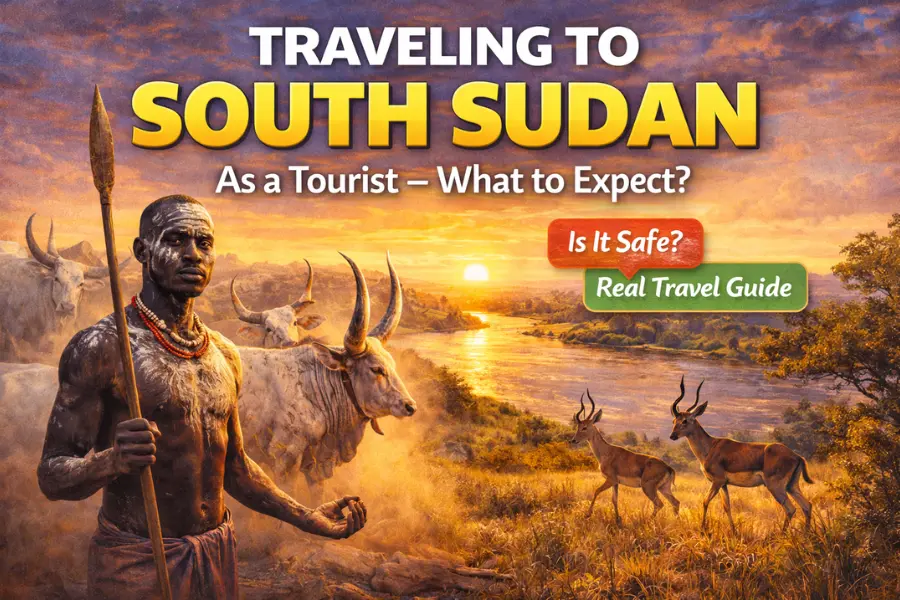
South Sudan Travel Guide: Honest Experiences, Tribal Encounters & Essential Safety Tips
Traveling to South Sudan is unlike visiting any typical destination. This is not a place of luxury resorts or polished tourism infrastructure. Instead, it offers something far rarer—raw authenticity, ancient tribal cultures, and landscapes untouched by mass tourism. For travelers seeking meaningful, off-the-map experiences, South Sudan delivers a journey that feels less like tourism and more like discovery.
This guide blends real traveler experiences, essential safety updates, and practical advice to help you understand what visiting South Sudan is truly like—and how to do it responsibly.
Why Visit South Sudan: The World’s Youngest and Most Untouched Destination
South Sudan is the youngest country on Earth, and its identity is still forming. This creates a rare opportunity for travelers to witness cultures and traditions preserved for centuries.
What makes South Sudan unique:
- Authentic tribal cultures: Communities like the Mundari and Dinka maintain traditional lifestyles centered around cattle, rituals, and ancestral customs.
- Untouched landscapes: Vast plains, wetlands, and the mighty Nile stretch across the country without crowds or commercialization.
- No mass tourism: You won’t find tourist buses or crowded landmarks. Every experience feels personal and genuine.
- True cultural immersion: Conversations with locals, village visits, and shared meals create unforgettable human connections.
Unlike staged cultural villages seen elsewhere, interactions here are real and respectful. Travelers often describe South Sudan as one of the last truly authentic cultural destinations.
South Sudan Travel Reality: Challenges You Must Understand First
Traveling here requires preparation, patience, and respect for local conditions. This is not a beginner-friendly destination, but it is possible with the right approach.
Key challenges travelers face:
Limited infrastructure
- Few paved roads outside major cities
- Minimal tourism services
- Basic accommodations
Safety considerations
- Some regions remain unstable
- Travel independently is not recommended
- Professional local guides are essential
Unpredictable logistics
- Flight delays are common
- Transportation plans may change suddenly
Despite these challenges, many travelers report positive experiences when working with trusted local guides and respecting local advice.
Read also: How to Mindfully Visit Aït Ben Haddou: Morocco’s Famous Mud-brick Village
Exploring South Sudan’s Capital: First Impressions of Juba
Most journeys begin in Juba, the capital and largest city.
Juba is vibrant, chaotic, and full of energy. You’ll see bustling markets, motorbike taxis, roadside food vendors, and locals going about daily life.
Things to experience in Juba:
- Local markets filled with handmade goods
- Views of the White Nile flowing through the city
- Cultural centers and community gatherings
- Authentic South Sudanese cuisine
Juba offers insight into the country’s resilience and optimism. Despite challenges, locals are welcoming and curious about visitors.
The Most Important Rule: Always Travel with a Local Guide in South Sudan
This cannot be overstated—local guides are essential.
A trusted guide helps with:
- Safety and route planning
- Cultural interpretation
- Translation and communication
- Transportation coordination
- Access to tribal communities
Guides also ensure your visit remains respectful and beneficial to local communities.
Without a guide, travel can be unsafe and logistically impossible.
South Sudan Tribal Experiences: The Heart of the Journey
One of the most powerful reasons travelers visit South Sudan is to meet its tribal communities.
The Mundari league
The Mundari people are known for their deep bond with cattle. Their camps create dramatic scenes at sunrise and sunset, with smoke rising around massive horned cattle.
Visitors often witness:
- Traditional cattle rituals
- Body painting and scarification traditions
- Daily life centered around livestock
These moments offer insight into one of the world’s oldest surviving pastoral cultures.
The Dinka group
The Dinka are one of the largest ethnic groups in South Sudan. Their traditions emphasize community, storytelling, and ancestral heritage.
Experiences may include:
- Village visits
- Cultural ceremonies
- Traditional music and dance
These interactions are meaningful when approached respectfully and without treating people as tourist attractions.
The Nile River: South Sudan’s Lifeline
The legendary Nile River flows through South Sudan, shaping its geography and culture.
Amazing facts about the Nile in South Sudan:
- It creates vast wetlands visible from space
- Supports wildlife, fishing, and agriculture
- Has sustained civilizations for thousands of years
Watching the Nile at sunrise is a peaceful and unforgettable experience.
Visa and Entry: Surprisingly Simple Process
Unlike many people expect, obtaining a visa for South Sudan is relatively straightforward.
Typical requirements include:
- Valid passport
- Visa application form
- Supporting travel details
- Invitation or guide assistance
Most travelers apply online or through embassies.
Your guide or tour operator often assists with the process, making entry smoother.
Latest Safety Update: What Travelers Must Know
Global organizations, including the United Nations, operate extensively in South Sudan due to ongoing security and humanitarian challenges.
Important safety recommendations:
- Always travel with professional guides
- Avoid independent exploration
- Follow local and international advisories
- Stay flexible with travel plans
Despite risks, experienced travelers who follow proper precautions often complete safe and rewarding trips.
Amazing Facts
- South Sudan has over 60 ethnic groups, each with unique traditions.
- The country contains parts of Africa’s largest wetlands.
- Some leagues use ash and clay as natural sun protection.
- Cattle are considered more valuable than money in many communities.
- Tourism here is among the rarest travel experiences on Earth.
These facts highlight why Sudan fascinates adventurous travelers.
Pingback: Top Things to do in Arcachon - Travelogy